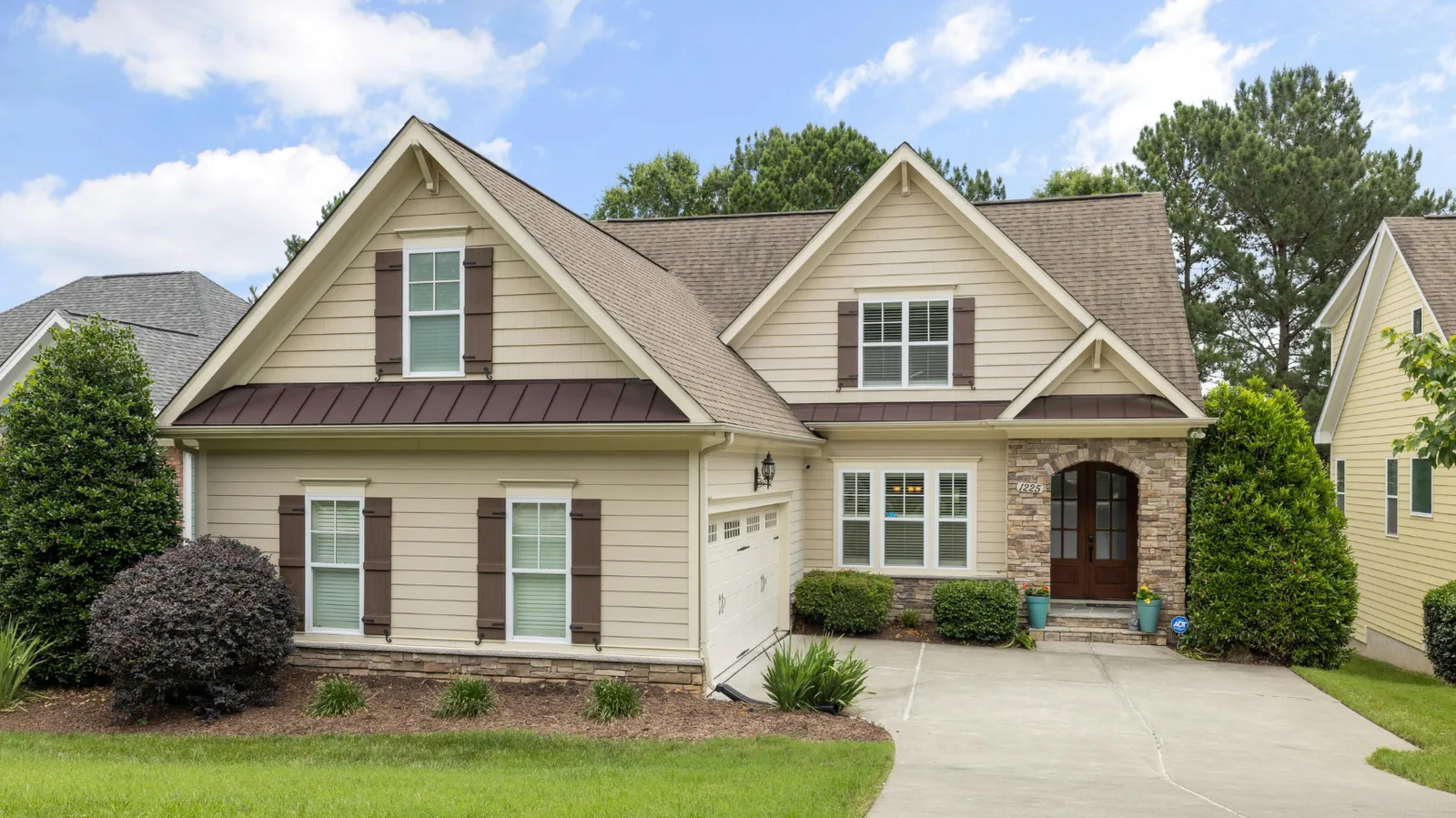
On the roof
Examine outlets, surface slope and the details around drains and scuppers.
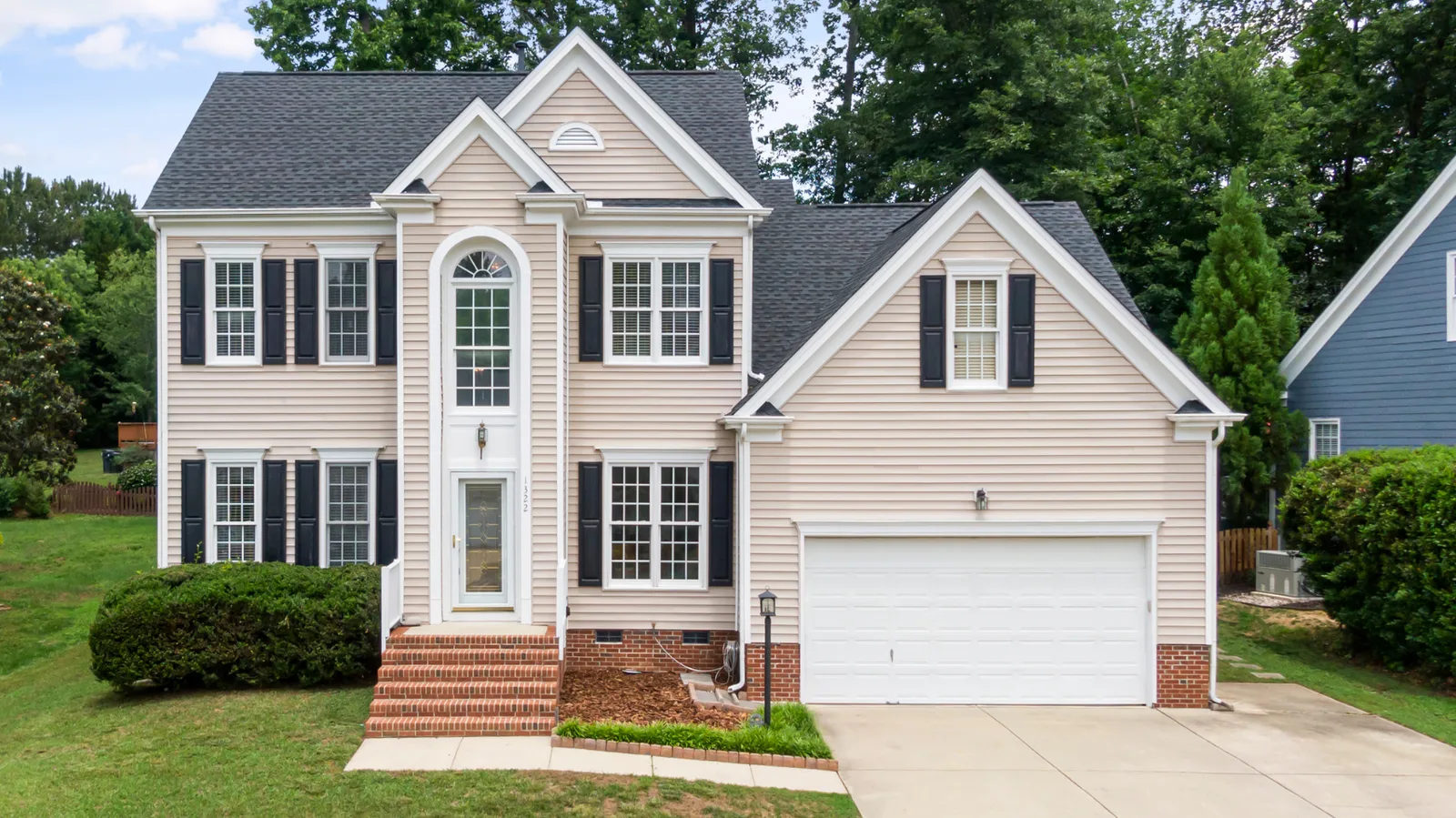
Free roof inspections. Clear repair and replacement options.
A roof drain, scupper or downspout moves water somewhere. Useful drainage planning follows that route from the roof surface to the discharge point around the building.
Low-slope roofs need a route toward drains or scuppers. A blocked outlet and inadequate roof slope are different problems. Water held at low spots adds demands on seams, details and supporting layers.
At the building edge, a downspout or discharge route has to fit entrances, ground surfaces and pedestrian areas. The 2026 final downtown plan records some rooftop downspouts draining onto sidewalks and identifies slippery or icy conditions as an accessibility concern within its study area. That observation does not establish a problem at every property.
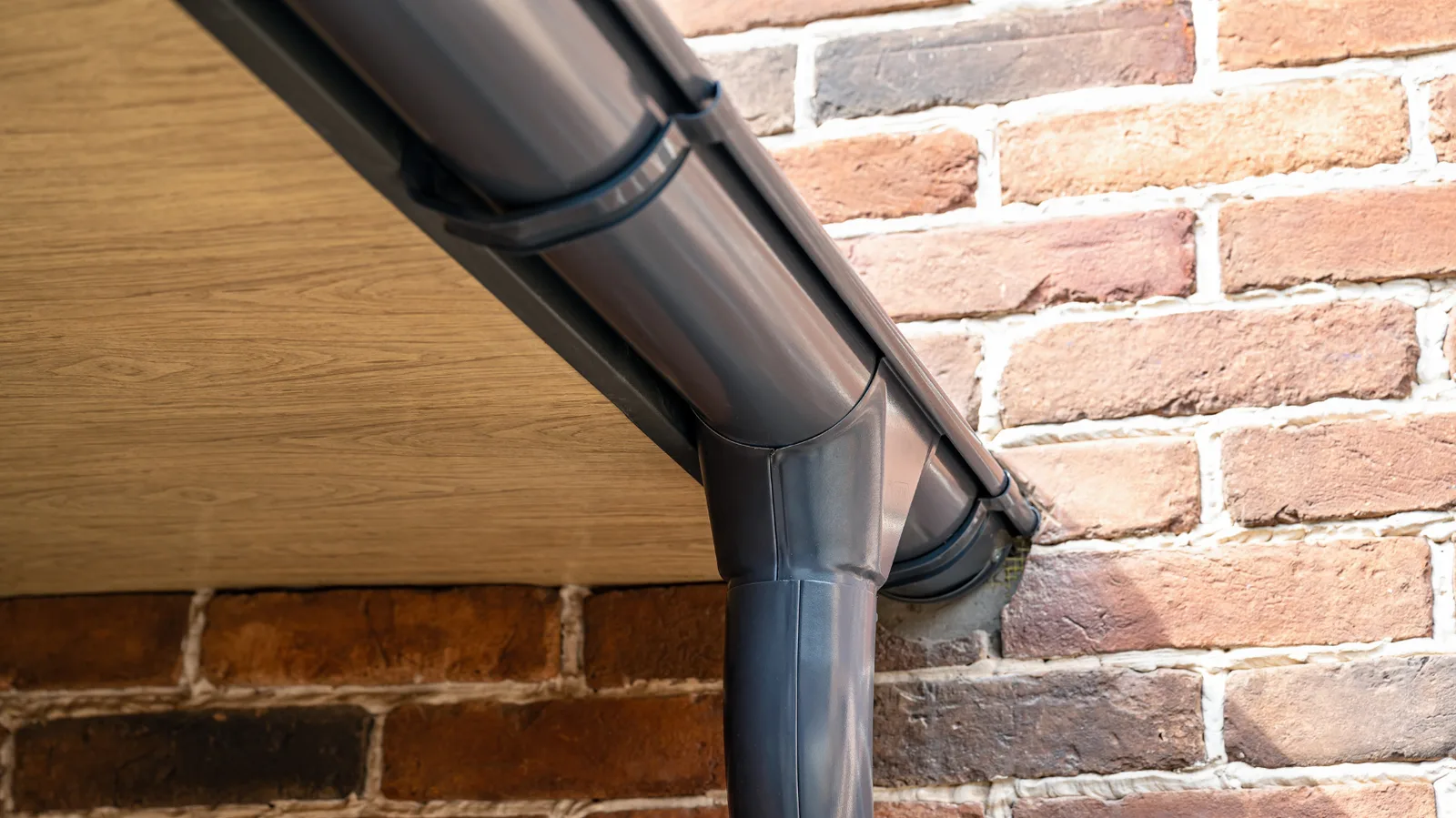
Examine outlets, surface slope and the details around drains and scuppers.
Roof-edge and gutter connections must collect runoff without sending it behind the fascia or wall finish.
The discharge needs an appropriate destination that works with the actual entrance, walkway and ground arrangement.
The useful next step connects this information to the actual roof. Tell us the property address and the concern, whether it is an active leak, material choice or a roof that keeps needing work.
A free roof inspection gives the service a chance to examine the covering and details and explain which scope fits the findings.
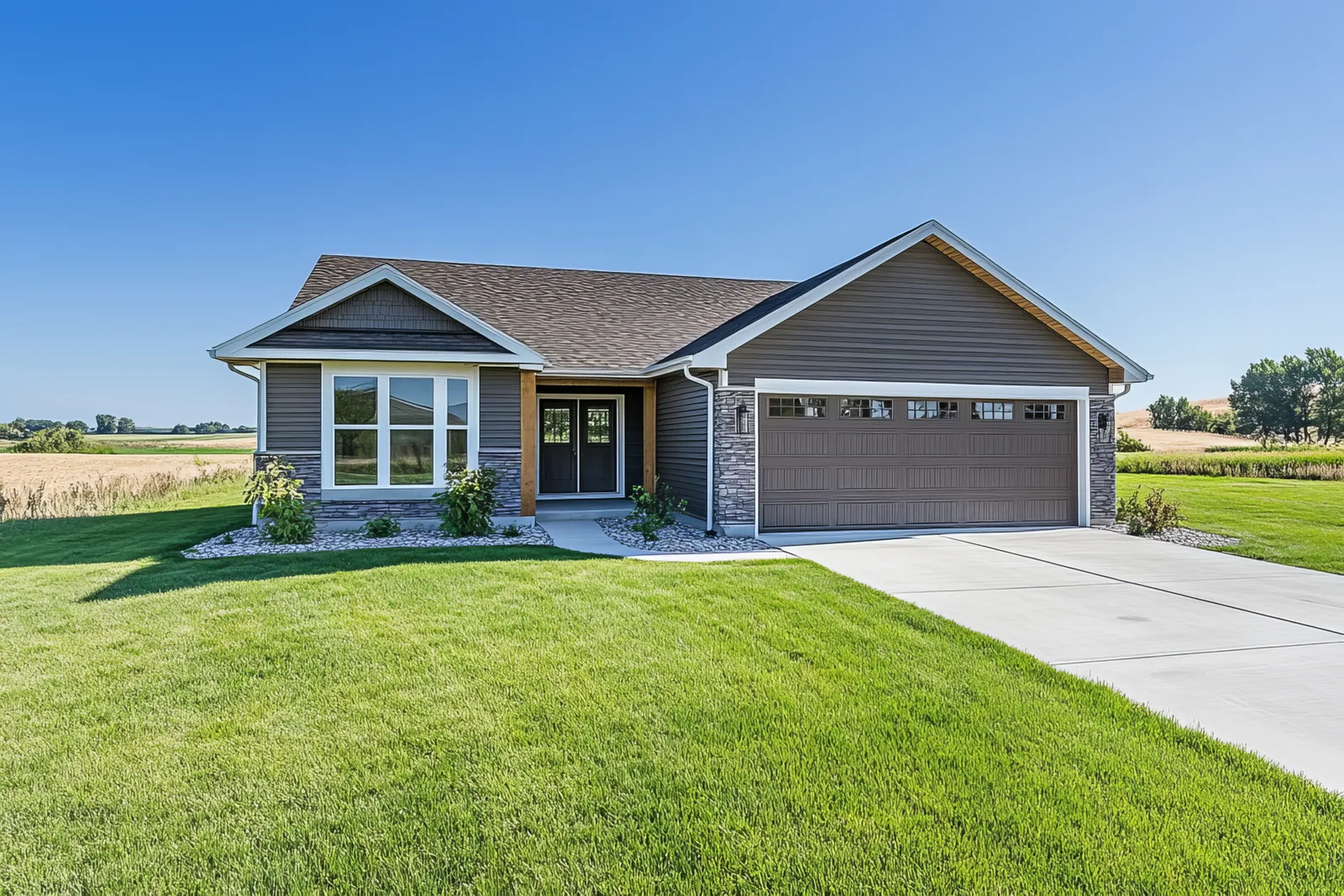
Tell us where the property is and what you noticed. We can start with the roof and explain the work it needs.